


Is your property management fee eating into your rental income—or is it the key to headache-free real estate investing? Discover what makes a management fee truly reasonable and how to make every dollar count with the right property manager
Unlocking the Truth: What Is a Reasonable Management Fee for Rental Properties?
But if you’re considering professional property management, you’ll quickly face a crucial question: what is a reasonable management fee for rental properties? Management fees aren’t one-size-fits-all; they vary according to the type of property, local rental market, provided services, and value a property management company brings
In most markets, a property manager offers a standard suite of services—rent collection, leasing, maintenance coordination, tenant screening, and more. These services are typically structured as either a flat fee or a percentage of monthly rent, with additional costs for lease renewals, major repairs, or extra management services. But beyond numbers, understanding management fees means knowing exactly which services are included, how additional charges are handled, and how to negotiate if managers charge outside the norm.
Why Understanding Property Management Fees Matters to Every Rental Property Owner
A property management fee isn’t just another expense—it's an investment in both the value of your property and your peace of mind. Knowing what a reasonable management fee for rental properties looks like gives landlords transparency, confidence, and the ability to set realistic expectations for their property management company. It also guards against overpaying for management services that don’t deliver or missing out on necessary expertise because the fee structure looks deceptively low.
Rental property owners who compare local management companies, fee structures, and included services are in the best position to make the right choice. The smartest property owners understand both the numbers and the service behind them—ensuring the management fees they pay are proportionate to the quality of service, market trends, and their property’s unique needs.

What You'll Learn About a Reasonable Management Fee for Rental Properties
- Key factors influencing property management fees
- Breakdown of flat fee and percentage-based pricing models
- How property managers charge, including additional management fees and services
- How to evaluate if a management fee is reasonable for your rental property
- Tips for negotiating and comparing property management companies
As you evaluate what constitutes a fair management fee, it's also helpful to understand the broader landscape of property management services and available homes for rent in your area. This context can provide valuable benchmarks when comparing companies and their fee structures.
Defining What Is a Reasonable Management Fee for Rental Properties
The Role of a Property Manager and Property Management Company
A property manager or property management company serves as the trusted agent between real estate investors and tenants. Their responsibility is to protect a landlord’s rental property investment while keeping tenants satisfied and compliant. Typical management duties include marketing the property, screening tenants, handling maintenance requests, collecting rent, enforcing lease terms, and managing legal compliance. This is why hiring a property manager is often the best solution for owners who want to enjoy passive income without the time-consuming headaches of hands-on management.
In exchange for these services, property management fees come in several forms: a flat monthly fee, a percentage of the monthly rent, and sometimes extra charges for specific tasks (like a leasing fee, lease renewal, or maintenance coordination). These fees are outlined in your management agreement and can vary depending on the reputation, experience, and location of the company. Recognizing what services are standard versus premium helps clarify if a manager’s fee structure is fair for your rental property.

What Is Included in a Typical Property Management Fee Structure?
Most property management fee structures include basic day-to-day responsibilities for your rental properties: responding to tenant requests, routine inspections, rent collection, late payment enforcement, accounting statements, and sometimes marketing vacant units. However, costs can escalate quickly if you need extra services like tenant screening, eviction processing, significant maintenance management, or lease renewals. The best property managers provide a transparent agreement that makes it easy to understand what is—and isn’t—included in their base management services. Always review which services are part of your package so you can accurately compare what different companies charge.
It’s also important for property owners to look out for hidden costs not included in the base management fee. These may include markups on repairs, costs for arranging legal notices, extra per-visit charges for property inspections, or administrative fees for handling bills. A careful review of your property management agreement and open communication with your manager ensures you know exactly what you’ll pay, and when.
Industry Standards for Property Management Fees
Typical Management Fees: National Averages and Trends
Across the United States, the typical management fees for residential rental properties range from 8% to 12% of monthly rent. This percentage can vary by region, property type, and the level of management services included in the package. For example, single-family homes in suburban areas may command lower fees, while multi-family apartments in urban markets may justify and require higher management fees due to complexity and increased workload.
In addition to the base monthly fee, property management companies may assess a one-time leasing fee for finding and screening new tenants (commonly 50%-100% of one month’s rent), and a smaller charge when a lease is renewed. Market demand, property condition, vacancy rates, and the quality of property managers in the area all impact what is considered reasonable for your property. Staying informed about local real estate trends ensures you’re paying fair, competitive rates for professional property management.

Flat Fee vs Percentage-Based Management Fee Structures
There are two main ways property management companies structure their pricing: flat fees and percentage-based fees. A flat fee is a fixed monthly rate regardless of the rental income—you’ll always know what you owe, making budgeting straightforward. Percentage-based structures, on the other hand, charge a fixed percentage of monthly rent. This can work in your favor if rents are low or your property is frequently vacant, but can result in higher fees in booming markets.
Choosing between flat and percentage-based fees depends on your rental property’s income stability and your appetite for risk. Many landlords find percentage options align manager incentives with the owner—if your rent rises, so does their income, which can boost performance. But the best approach is to compare both models and ask your property manager to clearly explain what their fee covers, particularly if it includes leasing, rent collection, and tenant screening as well.
| Fee Structure | How It Works | Pros | Cons |
|---|---|---|---|
| Flat Fee | Fixed monthly fee, regardless of occupancy or rent collected | Predictable costs, easy budgeting, no surprise increases | May be expensive if the property is vacant or rents are low |
| Percentage-Based | Percentage (usually 8-12%) of the monthly rent collected | Aligns incentives, lower fees during vacancy, flexible for varying markets | Fees can rise sharply with increasing rent amounts |
Factors That Influence What Is a Reasonable Management Fee for Rental Properties
Type and Location of Rental Property
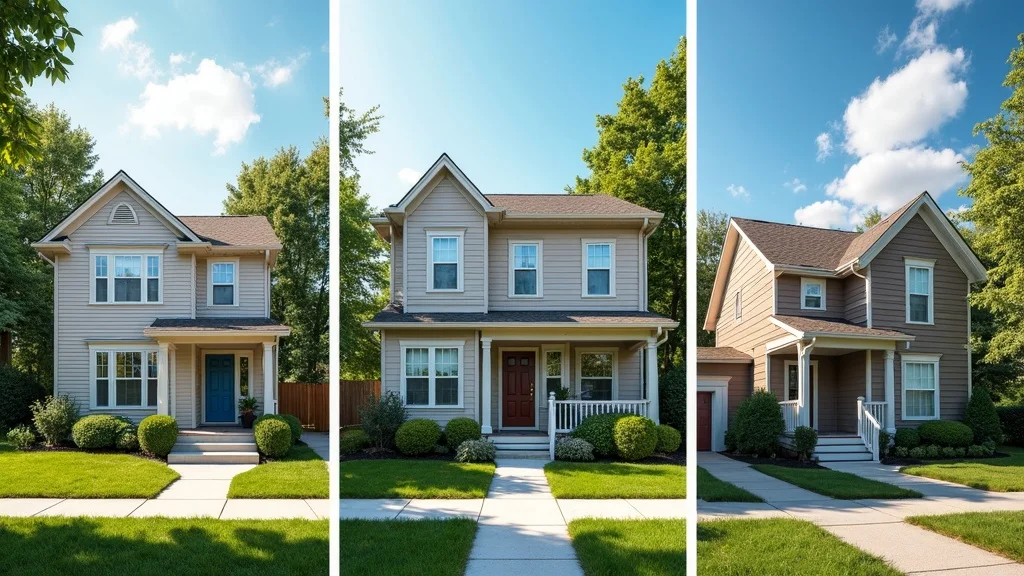
The nature and geographic location of your rental property are two of the biggest drivers behind varying management fees. Urban multi-family buildings often command higher fees due to the volume of tenants, turnover, and administrative complexity. Suburban single-family homes usually fall on the lower end of the pricing spectrum, while rural properties may be subject to custom pricing, especially if specialized management services are required. Markets with high demand, limited property managers, or strict regulatory challenges drive up fees, because the expertise and effort required to maintain compliance are significantly higher.
In addition, the age and condition of your property also impact what a property management company may charge. Older homes needing frequent maintenance, or properties in premium locations with higher expectations for service, will often see higher property management fee structures. Always benchmark your proposed management fees against properties with similar size, location, and complexity.
Services Provided by Property Management Companies
A major factor in what is a reasonable management fee for rental properties is the scope of services provided by the property management company. Standard packages usually cover rent collection, basic maintenance coordination, tenant relations, and regular reporting. Premium services might include marketing and showing units, advanced tenant screening, full-scale renovations, legal compliance checks, and 24/7 emergency response. Property managers who offer more extensive management services—especially those serving luxury or high-demand markets—typically justify charging on the higher end of the fee spectrum.
Property owners should always ensure clarity on which services come standard and which incur extra charges. Comprehensive packages usually result in fewer headaches, but may cost more upfront. Those looking to save money can choose a lower-fee option with add-on services for a la carte needs, but should budget for possible extras. The key is to match the level of service to both the property and the owner’s expectations.
Rental Market Trends and Real Estate Considerations
Current trends in the real estate market—such as vacancy rates, average rent prices, and property demand—heavily influence property management fees. In competitive markets where rental income is rising and demand for skilled property managers is high, fees may trend higher. Alternatively, slower rental markets may see management companies lowering fees or offering promotional discounts to attract business. Investors should monitor local property market reports and be aware of how broader economic trends impact what is considered a “reasonable” fee for their area.
"A reasonable management fee comes down to the unique needs of your rental property and the expertise of your property management company."property managers you hire
How Property Managers Charge: Breaking Down Property Management Fees
Leasing Fee, Rent Collection, and Lease Renewal Costs
The charges from property managers often go beyond the standard monthly fee. Key components of a property management fee schedule include: Leasing fees—a one-time charge to cover the cost of finding a new tenant, which includes advertising, showing the property, screening candidates, and preparing the lease. This is typically 50%-100% of one month’s rent. Rent collection fees, if not included in the base fee, may also apply (though most companies bundle this service). Lease renewal costs—smaller fees for drafting and renewing lease agreements—are usually less expensive than a full leasing fee but can add up for properties with frequent turnover.
As a property owner, pay attention to how your property management company structures these charges. Some companies embed all basic fees in the core package; others treat leasing, renewals, and even rent collection as separate, billable events. Always ask your property manager to clarify which fees are included, and ensure every charge is detailed in your management agreement.
Additional Management Fees: Tenant Screening, Maintenance, and More
Beyond standard operations, management companies may assess additional charges for premium services. Common extra fees include tenant screening (credit, background checks, and employment verification), supervision or markup of maintenance repairs, late payment processing, and legal notice delivery. In some cases, property managers may even charge a percentage of billed maintenance or negotiate coefficients for third-party contractor services.
Some management companies charge markup on vendor invoices or bill separately for handling eviction proceedings, insurance compliance, or capital improvements. These all affect what you really pay for property management—a low monthly base fee may be offset by high “a la carte” charges. The most transparent property managers provide a full schedule of fees with clear definitions so rental property owners can predict total cost.
- How property managers charge for ongoing management
- Common additional fees found in property management company contracts
- Percentage of monthly rent charged by property management services

Evaluating the Value: Is Your Property Management Fee Reasonable?
Comparing Management Fees Across Property Management Companies
Ask detailed questions: What does the base management fee cover? Are leasing, renewal, and marketing fees extra? How does their service stack up against industry standards and local competitors? Landlords who compare at least three management companies and scrutinize their fee structures are far less likely to overpay
Management fees are just the start; also compare reputation, management approach, technology used, and reporting transparency. Some property management companies charge a bit more, but deliver superior communication and care—which can translate to lower vacancy, better-paying tenants, and higher long-term returns. Evaluate both price and value to ensure the property management fee is justified.
Assessing the Quality of Property Management Services for Your Rental Property
Are vacancies short? Are issues resolved quickly? Do you get regular, accurate updates and accounting statements? Quality managers provide robust maintenance support, thoroughly screen tenants, promptly collect rent, and communicate openly with property owners
Look for property management companies with verifiable track records, positive landlord references, and a reputation for ethical and proactive service. The right property manager adds value that far exceeds the cost—while an underpriced manager may miss crucial tasks, risking damage to your investment and reputation.
Negotiating Property Management Fees With Potential Managers
Property management fees aren’t always set in stone—especially in competitive markets. If you’re evaluating several companies, don’t hesitate to ask if fees are negotiable, or if there’s flexibility based on the number of units, length of contract, or specific needs. Clear, respectful negotiation shows managers you’re an informed client and helps you secure better terms. Some managers may lower fees for long-term agreements, or for owners bringing multiple rental properties under their management.
Always be sure to negotiate not just on price, but on included services and performance guarantees. Ultimately, the goal is to align the manager’s incentives with your own. Transparent, cooperative discussions result in a management agreement where all parties benefit.

Major Components and Fine Print in a Property Management Fee Structure
Common Fee Structures: Flat Fee vs Percentage Models
Flat fee and percentage-based models are the industry standard—but the fine print can make or break your renting experience. Flat fee models deliver simplicity and predictable budgeting, but may not flex in line with rental income; percentage-based models flex with performance, but can sometimes mask other hidden charges. Carefully review which services are bundled, and watch for “bait and switch” offers where the headline fee is low but fundamental services come at extra cost.
A reasonable property management fee structure for your specific property considers your goals, the market, and the results you need. Always verify whether your property management company charges additional monthly or annual fees, or a markup on property repairs, in addition to the base management fee.
Monthly Rent, Leasing Fee, and Other Hidden Management Fees
Management fees tied to monthly rent are common, but be wary of contracts that include unexpected “setup fees,” “administrative charges,” or event-based billings—like late night maintenance or eviction processes. Review your agreement line by line for hidden management fees, and ask your manager to explain anything you find unclear. Transparency up front prevents disagreements or unexpected costs down the line.

The 50% Rule Explained: How It Relates to Management Fees in Rental Properties
Understanding the 50% Rule in Rental Property Investing
The 50% rule is a fundamental principle for real estate investors, providing a quick way to estimate operating expenses for a rental property. It suggests that 50% of your gross rental income will go toward non-mortgage expenses: taxes, insurance, maintenance, and (importantly) management fees. Following this rule ensures property owners don’t underestimate the true cost of maintaining their investment—and that being conservative protects your profit margin.
By factoring property management fees into the 50% rule calculation, landlords avoid surprises and preserve realistic expectations for net cash flow. This basic guideline offers a buffer for unexpected expenses and ensures you have capacity to cover your property manager’s charges, along with all other recurring costs.
How the 50% Rule Affects What Is a Reasonable Management Fee for Rental Properties
Applying the 50% rule means management fees should not disproportionately consume rental income. If your management company’s fees push your expense ratio well above 50%, your investment’s returns may be at risk. On the other hand, fees well below market standards could indicate subpar management or additional hidden charges that crop up later.
The best practice for landlords is to calculate total management costs as part of their broader expense strategy, reviewing how these fees impact cash flow, net operating income, and long-term value. This helps ensure you pay a reasonable management fee that balances quality, compliance, and profitability.
Case Studies: Reasonable Property Management Fees in Practice
Single-Family vs Multi-Family Rental Property Management Fees
Single-family rentals generally face lower management fees compared to multi-family complexes. For example, a single suburban home might incur an 8% monthly fee, while a 10-unit apartment building could see charges closer to 10% or higher. This reflects the heavier administrative workload, multiple tenants, and increased turnover or maintenance demands associated with multi-family management. Each case requires owners to compare the exact services offered and how the fee aligns with the workload and rental income.
Real estate investors with larger portfolios sometimes negotiate volume discounts, bundling several units under one property management company for a more competitive rate. However, this only works if the provider has the experience and scalability to maintain high service quality across multiple properties.
Real Estate Market Impact: Urban vs Suburban vs Rural Fees
Local market conditions play a pivotal role in what is a reasonable management fee for rental properties. Urban property management fees are often higher to account for stricter regulations, higher cost of living, and increased tenant demands. Suburban markets tend to fall squarely within the national average, while rural properties might stray outside the norms due to unique supply and demand characteristics.
"In some rental property markets, property managers charge more due to the complexity and demand for specialized management services."
Benefits of Paying Reasonable Management Fees
How a Property Management Company Adds Value
Paying a reasonable management fee isn’t an expense—it’s a strategic investment in your property’s performance and longevity. The right property management company can minimize vacancy, maximize rent, reduce costly legal disputes, and streamline maintenance—all with professional reporting and tenant relations. For real estate investors seeking passive returns, this hands-off approach often more than compensates for the fee itself.
The best companies also keep up with ever-evolving regulations, helping landlords avoid costly compliance pitfalls and optimize their rental property’s performance in any market cycle.

Peace of Mind: Investing in Professional Property Management Services
Peace of mind is perhaps the least quantifiable—but most important—return on investment for your management fee. With an experienced property manager handling day-to-day headaches, you can focus on growing your portfolio or enjoying hands-off rental income. Informed property owners know that when the management fee matches the value provided, everyone wins.
Ultimately, confidence in your manager translates to better-maintained properties, happier tenants, and higher returns for years to come.
How to Choose a Property Management Company Based on Management Fees
Key Questions to Ask About Property Management Fees
Before signing with any property management company, ask these key questions: What is your fee structure? (Flat or percentage?) What services are included in the base management fee? Are there extra charges for leasing, renewal, or maintenance? How do you handle vendor markups, late fees, or legal costs? What performance guarantees do you offer? Knowing the answers puts you in the driver’s seat, ensuring there are no surprises and that you pay a reasonable management fee for the services you truly need
Avoiding Common Pitfalls When Evaluating Property Managers
Watch for vague contracts, bundled fees with little transparency, unusually high or suspiciously low rates, or reluctance to answer questions about service scope. Reliable property managers will provide detailed, transparent agreements with full disclosure of all possible charges, timelines, and accountability processes.
Avoid signing contracts with automatic annual rate increases or fees unrelated to actual results. The best property management services are backed by mutual trust, clear communication, and a strong reputation.
- Verify the fee structure in your management agreement
- Compare the cost of property management companies in your area
- Consider included property management services and additional charges
Red Flags: When Management Fees Are Too High or Too Low for Rental Properties
Indicators of Unreasonable Management Fees
Warning signs of an unreasonable management fee include base rates far above the local average without justification, inflexible contract terms, or a slew of costly add-ons for otherwise standard services. Equally risky are rock-bottom fees from inexperienced managers lacking the systems, staff, or experience to provide comprehensive support. If property managers charge well outside industry norms, you may end up with lower-quality tenants, higher vacancies, or unexpected repair bills.
Always vet your potential property management company for licensing, experience, peer reviews, and sample reporting to gauge whether their fees align with industry standards and the real value they deliver to property owners.
What to Do If Property Managers Charge Outside Industry Norms
If you encounter a management company whose fees seem out of line with national or local averages, don’t be afraid to ask for a detailed service breakdown and justification. Compare their offering to at least three other property managers, and use the data to negotiate or walk away if it doesn’t add up. The best outcome ensures your fee reflects both competitive pricing and the level of service your rental property deserves.
People Also Ask About Management Fees for Rental Properties
How much should I pay someone to manage my rental property?
Most landlords pay a management fee between 8% and 12% of monthly rent for full-service property management of single-family homes. Multi-family or unique properties may see higher or lower rates based on workload, property type, and included services. Check your management agreement carefully so you know the total cost for your rental property.
What are typical management fees?
Typical management fees for rental properties in the US are 8-12% of monthly rent, plus one-time leasing fees (often 50-100% of one month's rent) for finding new tenants. Other potential charges include lease renewal, maintenance markup, or tenant screening fees. Always read your contract for the full breakdown.
What is the 50% rule in rental property?
The 50% rule suggests you should budget 50% of your gross rental income for non-mortgage expenses—including maintenance, property taxes, insurance, and management fees. This quick method helps ensure your property remains profitable even after all typical running costs.
What is an acceptable management fee?
An acceptable management fee is one that matches market averages (typically 8-12% of rent for most residential properties) and includes the level of service your rental property needs. It should be transparent, competitive, and justifiable based on the property management company’s experience, track record, and your local market.
FAQs on What Is a Reasonable Management Fee for Rental Properties
-
What is a common fee structure for property management services?
Most property managers use either a flat monthly fee or a percentage of rent, plus leasing and renewal fees as needed. -
Are there other costs beyond the base management fee?
Yes, many companies charge extra for tenant screening, maintenance supervision, bill processing, legal notices, or lease renewals. -
Should I pay extra for tenant screening or rent collection?
Some management companies include these services in the base fee; others charge separately. Always ask for clarification before signing. -
How can I ensure my property managers charge a reasonable rate?
Compare companies, review all included services, read recent reviews, and get all fees and terms in writing before committing. -
Is it possible to negotiate management fees for rental properties?
Yes—especially if you’re managing multiple units, signing a longer-term agreement, or your property is in a competitive market.
Key Takeaways on Reasonable Management Fees for Rental Properties
- The reasonable management fee for rental properties varies but generally ranges between 8% and 12% of monthly rent
- Evaluate the full suite of property management services when comparing fees
- Always review your management agreement for hidden costs or additional management fees
- The right fee matches the service level and value provided by the property management company
Summary and Next Steps on What Is a Reasonable Management Fee for Rental Properties
Final Thoughts: Ensuring Your Management Fees Align with Industry Standards
Understanding what is a reasonable management fee for rental properties empowers you to maximize value, avoid overpaying, and secure quality results for your rental property investment. Always compare services, fees, and reputation—your returns depend on it.
If you're ready to take the next step in optimizing your rental property returns, consider exploring the full range of property management and leasing solutions available in your market. By reviewing comprehensive services and current listings, you can gain deeper insight into how professional management can elevate your investment strategy. For those seeking to streamline operations or expand their portfolio, discovering the latest property management options and rental opportunities can provide a strategic edge and peace of mind for the long term.
Book a Call with a Property Manager | (701) 561-0400 M-F: 9am-5pm | Sat-Sun: By Appointment Only
Want to make sure your property management fee works for you? Set an appointment with a trusted property manager now!
Sources
- https://www.narpm.org/owner/what-does-a-property-manager-do/ – National Association of Residential Property Managers
- https://www.biggerpockets.com/blog/property-management-fees – BiggerPockets: Property Management Fees Explained
- https://www.zillow.com/landlord-resources/property-management-fees/ – Zillow: Understanding Property Management Fees
- https://rentecdirect.com/blog/property-management-fees-breakdown/ – Rentec Direct: Property Management Fee Breakdown
When determining a reasonable management fee for rental properties, it’s essential to consider various factors, including property type, location, and the range of services provided. Typically, property management companies charge between 8% and 12% of the monthly rent as their base management fee. For instance, in Seattle, this percentage translates to approximately $200–$300 per month for ongoing management services. (gpsrenting.com)
In addition to the monthly fee, many property managers impose separate charges for services such as tenant placement, lease renewals, advertising, and maintenance coordination. For example, tenant placement fees often range from 50% to 100% of one month’s rent. (turbotenant.com) Maintenance coordination fees may include a markup on vendor invoices, commonly between 10% and 15%, to compensate for sourcing vendors and managing repairs. (propertymanagersseattle.com)
It’s crucial to review the property management agreement thoroughly to understand all potential fees and services included. Some companies offer flat monthly fees instead of percentage-based fees, which can provide more predictable costs but may include fewer services. (gpsrenting.com) Additionally, be aware of any setup or onboarding fees, which can range from $150 to $400, depending on the property and complexity of the transition. (propertymanagersseattle.com)
Ultimately, a reasonable management fee aligns with the services provided and the specific needs of your rental property. Comparing multiple property management companies and their fee structures can help ensure you receive the best value for your investment.




Write A Comment