


Ever wondered if hiring a property management company is worth the cost, or what you might really pay in fees? When it comes to managing a rental property, understanding the true expenses—beyond just the obvious management fee—could mean the difference between a thriving investment and unexpected losses. This comprehensive guide dives deep into how much property management companies charge to manage a rental , exposes hidden costs, and equips you with the know-how to maximize your return on investment while avoiding unpleasant surprises.
How Much Do Property Management Companies Charge to Manage a Rental? An In-Depth Guide for Rental Property Owners
For property owners, the central question is not just “ how much do property management companies charge to manage a rental ?” but also understanding what’s behind those fees. Property management fees typically reflect a combination of factors like your property’s size, type, location, the level of management services desired, and market demand. Most property management companies charge either a percentage of the monthly rent collected or a flat monthly fee as the cornerstone of their pricing.
Practical examples help illustrate: if you own a single-family home in a major city, you might pay 8-12% of monthly rent as a management fee, while managing a portfolio of townhomes in a suburban market could mean negotiating a lower percentage or a set flat fee. A full-service property manager may additionally charge a leasing fee for finding new tenants, as well as separate fees for maintenance, inspections, renewals, and more. As a rental property owner, it’s crucial to compare these details to ensure you’re not surprised by unexpected charges and that the service aligns with your investment goals.
Understanding Property Management Fee Structures—Exploring What Property Managers Charge
The world of property management fee structures can be navigated through three main models: percentage-based, flat-rate, and hybrid. Most commonly, property management companies charge a percentage—typically ranging from 8-12%—of the rental property’s gross monthly rent collected. This model aligns the property manager’s interests with maximizing your rental income, incentivizing occupancy and rent collection. On the other hand, some managers charge a straightforward flat monthly fee, regardless of rent amount or occupancy. The hybrid model combines both—charging a low monthly percentage plus a set dollar amount, offering a balance between variable and fixed costs.
- Percentage of rent collected
- Flat monthly fee
- Hybrid approach (percentage + flat fee)
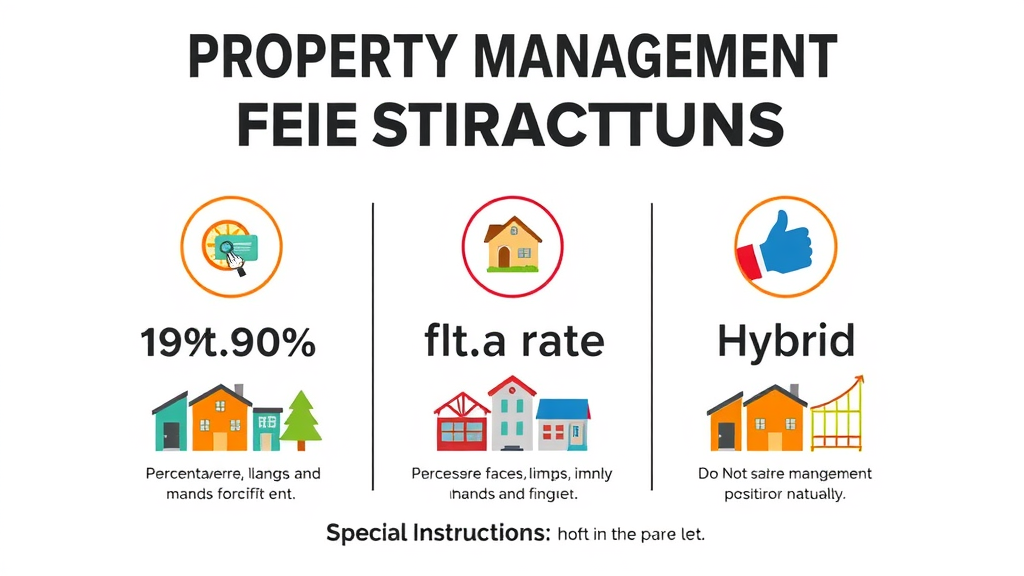
- Percentage-based models : Proportional to monthly rent—motivates performance but can become costly as rent prices rise.
- Flat fee models : Simpler budgeting, but may lack incentive for maximizing rent collection and tenant quality.
- Factors influencing fees : Location, property type, level of service, rental income, number of units, and market trends play a significant role in what property management companies charge for rental property management.
- Services included, rental income amount, property location, portfolio size, and flexibility of service contracts often impact what management companies charge overall.
What You’ll Discover About How Much Property Management Companies Charge
- Comprehensive breakdown of standard property management fees and typical services covered for rental properties
- Critical factors and considerations for comparing different management companies’ charges
- Actionable tips for selecting the right property management service for your investment property
What Influences How Much Property Management Companies Charge to Manage a Rental?
Size, Type, and Location: How Property Type Affects Property Management Fees
One of the most influential contributors to how much property management companies charge to manage a rental is the property type—such as a single-family home, multi-family units, apartment complexes, or mixed-use buildings. Larger properties or portfolios often qualify for bulk rates or sliding scales, whereas single units may face higher proportional fees. Location is equally vital: property managers operating in high-demand urban markets may charge higher management fees due to increased competition, costs of doing business, and tenant expectations. Meanwhile, rural or suburban properties may see slightly lower rates or more flexible pricing.
Market trends in real estate markets—like occupancy rates, property value fluctuations, and local rental laws—also impact management fee expectations. Owners of luxury or specialty rentals (such as vacation homes) might encounter premium management charges, while well-located but lower-priced rentals could result in more affordable options. Understanding how your property’s unique features and market position influence what property management companies charge is essential for effective budgeting and investment planning.

Rental Property Income: Impact of Monthly Rent on Property Management Fee Structures
The amount of monthly rent your rental property generates directly influences which fee structure is more advantageous. For high-rent properties, a flat monthly fee might result in savings over the traditional percentage-based model. However, for lower-rent properties, percentage-based fees keep services accessible and proportional without overwhelming a landlord’s cash flow.
Property managers charge based on the rent collected in many contracts, so landlords should carefully review whether fees apply to rent that’s actually received, or the amount expected. Understanding this difference is crucial, especially during vacancies or if a tenant fails to pay on time. The alignment between your property’s income potential and the property management fee structure can have a significant impact on your rental’s profitability.
Level of Service: From Basic Management Services to Full-Service Property Managers
Beyond the standard management fees, the scope of property management services you require will also determine how much property management companies charge to manage a rental . Basic management may only cover rent collection and emergency maintenance, while full-service property management includes everything from listing and marketing to tenant screening, inspections, regular maintenance, and legal compliance.

The broader the suite of services—such as lease renewals, detailed accounting reports, robust tenant communication, property inspections, and 24/7 emergency support—the higher the potential management fees . Some property management companies offer customizable service tiers or a-la-carte options allowing rental property owners to only pay for what they truly need, further impacting overall cost.
Additional Expenses: Leasing Fee, Tenant Screening, and Maintenance Charges
Besides recurring management fees , additional charges like leasing fees (for securing new tenants), tenant placement fees, background check or tenant screening fees, and maintenance surcharge can significantly affect the final cost. The leasing fee is typically a one-time charge, often equivalent to one month’s rent or a set monetary value, assessed each time a new tenant signs a lease.
Some property management companies also charge for property inspections, administrative fees, and markups on repair invoices, so a thorough review of the management agreement—and careful comparison among top providers—is vital for understanding your true property management costs as a landlord.
Property Management Fee Breakdown: Typical Charges by Management Companies
| Fee Structure | How It Works | Common Range | Best For |
|---|---|---|---|
| Percentage of Rent | Calculated as a % of monthly rent collected | 8–12% of rent | Owners preferring performance alignment |
| Flat Monthly Fee | Fixed dollar amount per month per unit | $80–$250 per unit | High-value/rent or multi-unit portfolios |
| Hybrid Model | Lower % + fixed fee combination | Varies—often 5% + $X/unit | Custom service or large, diverse properties |
Standard Management Fees and Cost Ranges for Property Managers
Most property management companies charge an ongoing fee covering day-to-day rental operations, tenant communication, and basic management services . The industry average ranges between 8% and 12% of the monthly rent collected . Flat fee models can be anywhere from $80 to $250 per month per unit, appealing to multi-property owners with consistent rental income.
These charges usually do not cover costs like leasing fees , renewals, or maintenance surcharges. Higher-end or luxury real estate may see management fees above this range, reflecting increased service demands and tenant expectations. Conversely, barebones property management (just rent collection and compliance) may fall below the standard cost depending on location and services included.
Common Leasing Fees Charged by Property Management Companies
Leasing fees are one-time charges assessed when a new tenant is placed, often equivalent to a set percentage of the first month’s rent, a full month’s rent, or a flat fee ($250–$500+). This covers marketing, showings, applicant screening, lease preparation, and move-in coordination. For property owners with frequent tenant turnover, leasing fees add up and should be carefully factored into total property management costs .
In some markets, property management companies bundle leasing services into the ongoing management fee, but this is less common. The clarity of how leasing fees are handled in your property management agreement can avoid disputes and ensure transparency with your service provider, reflecting true cost.
Setup Fees, Renewal Fees, and Other Charges in Property Management Services
Other common ancillary fees include setup/onboarding fees (to cover account creation and initial inspections), renewal fees (processing lease renewals or extensions), vacancy fees, advertising charges, and tenant placement surcharges. These can range from $100–$300 per event/service. Property owners should always ask for a full list of potential fees—including maintenance markups or emergency response premiums—to gain a clear understanding of what management companies charge beyond the monthly rate.
Reviewing the management agreement in detail and requesting written disclosure of all anticipated costs is a best practice before signing with a property management company.
Comparing Property Management Companies: Understanding Management Company Offers
- Review what’s included in the standard fee (rent collection, maintenance, reports, etc.)
- Check for extra charges (setup, tenant placement, renewal, advertising, legal/eviction support)
- Evaluate online reviews, local market experience, and transparency of contract terms
- Compare communication methods and responsiveness
- Ask about available technology (owner dashboards, automated payments, reporting)

Key Questions to Ask Before Hiring a Property Management Company
When interviewing potential property management companies , consider asking: What is your fee structure and what does each fee cover? Are there any extra charges not listed in your proposal? How do you handle tenant screening and placement? What happens if my property is vacant? Do you charge a fee on rent not collected? Can I see a sample management agreement? These key questions ensure you fully understand what the property managers charge and avoid costly surprises down the line.
Reading the Fine Print: Hidden Management Fees to Watch Out For
Even well-established management companies can include hidden fees, such as markups on repairs, inspection charges outside of annual checkups, early contract termination penalties, or unnecessary administrative costs. Always read the fine print and clarify which services are included in the standard property management fee , and which are assessed as extras. Transparency is a hallmark of a reputable property manager.
Make sure that your management service agreement discloses all potential costs and that you proactively request clarification on anything unclear. Compare multiple offers, and use written checklists to ensure you’re not missing an essential service—or paying too much for minor add-ons.
Real Estate Insights: Expert Quotes on How Much Property Management Companies Charge
"A well-structured property management fee is an investment in peace of mind. It allows property owners to focus on growing their portfolios while experienced professionals maximize rental income, minimize vacancy, and handle compliance with local laws." — Sarah Martin, Licensed Real Estate Broker & Property Management Expert
"Partnering with a local property management company saved me countless hours and greatly reduced tenant issues. The fees more than paid for themselves through higher occupancy and better tenant retention." — Jacob Thompson, Rental Property Owner
Lists of Services Included in Standard Property Management Fees
- Rent collection and monthly remittance
- Tenant screening and placement
- Advertising and property marketing
- Routine property inspection and reports
- Maintenance and repair coordination
- Lease preparation and enforcement
- Handling tenant communication and complaints
- Eviction coordination/legal compliance (if included)
- Financial reporting and year-end tax documentation

People Also Ask: What is the Average Property Management Fee for Rental Properties?
Average Property Management Fee: National and Regional Averages Explained
Across the United States, the average property management fee for residential rentals typically falls between 8% and 12% of the monthly rent collected. However, local factors create significant variation: major metro areas and high-rent markets (like San Francisco or New York) often command higher fees, while suburban or rural regions may trend toward the lower end of the scale. Multi-family properties or portfolios usually qualify for discounts compared to single properties.

Factors Influencing the Average Management Fee for Rental Properties
The property type , local real estate competition, service level, and expected rental income all affect average fees. Properties that require extensive hands-on management, such as student housing or vacation rentals, generally see higher management fees due to increased turnover and support needs. Additionally, market-regulated housing or properties in high-risk areas may also be assessed higher fees to offset potential operational risks for the management company.
National and regional averages are helpful guideposts, but landlords should prioritize comparing multiple companies in their local area to pinpoint true market rates for property management services .
People Also Ask: How Much is a Typical Management Fee?
Explaining Typical Management Fees by Rental Property Type
Different types of rental properties command different typical management fees. For example, single-family homes tend to have higher percentage-based fees (closer to the 10-12% range), while multi-unit buildings often secure discounts, sometimes as low as 5-8% per unit. Luxury and vacation rentals frequently see additional or premium surcharges given the higher level of service required.
Typical Fees for Single-Family vs Multi-Family Rental Properties
Single-family rental homes often see management fee models that are directly tied to local rent averages and include basic services only. Multi-family or apartment buildings, by contrast, may benefit from lower per-unit fees due to the economies of scale but are likely to incur extra costs for site management, maintenance personnel, or amenities oversight.
In every case, it’s critical that property owners understand which services are standard with their management fee and which might trigger extra charges, ensuring they compare apples to apples when evaluating what property management companies charge to manage a rental .
FAQs About How Much Property Management Companies Charge to Manage a Rental Property
-
Do property management companies charge additional fees beyond the management fee?
Yes, most management companies assess extra charges such as leasing fees, renewal fees, tenant screening fees, and sometimes maintenance or inspection surcharges. Always review the service contract in detail and clarify which costs are included and which are billed separately. -
Is a percentage or flat fee better for landlords?
It depends on your property’s rental income and your need for flexibility. A percentage of rent aligns the manager’s interests with maximizing occupancy and rent, while a flat fee may offer predictable, stable expenses for higher-income or multi-unit property owners. Assess your portfolio’s revenue and service needs before choosing. -
Can property owners negotiate management fees with property managers?
Yes, management fees and other costs are often negotiable, especially for owners with multiple properties or in competitive rental markets. Always ask for customized quotes and don’t hesitate to negotiate the terms or request bundled discounts. -
What services are typically included in property management fees?
Standard services usually cover rent collection, tenant communication, regular inspections, basic maintenance coordination, lease management, and financial reporting. More comprehensive packages may include marketing, tenant placement, legal support, and 24/7 emergency response—so always request a service list and compare across providers.
Watch: Industry Experts Explain Property Management Fee Structures, Benefits, and Considerations
Watch: Real-World Comparison of Property Management Fees and Services
Step-by-Step Guide: How to Choose the Right Property Management Company and Fee Structure
- List your property’s management needs, from basic rent collection to full-service support.
- Research local property management companies; read reviews and seek referrals.
- Request detailed proposals, including all fees and sample contracts.
- Compare the scope of services and pricing structures—percentage, flat fee, hybrid.
- Interview company representatives and ask direct questions about hidden fees and service response times.
- Check for licensing, experience, and insurance coverage.
- Negotiate rates and ask for bundled discounts if managing multiple properties.
- Choose the property management partner best aligned with your investment goals and sign a clear, fee-transparent contract.

Key Takeaways for Landlords: Maximizing Value When Property Management Companies Charge Fees
- Compare management companies thoroughly—don’t just look at the base fee, but all potential charges and included services.
- Beware of hidden costs: review contracts, ask pointed questions, and insist on full transparency.
- Best practices include negotiating for better rates, leveraging multiple property discounts, and regularly reviewing service effectiveness.
- Red flags: vague fee disclosures, poor communication, high staff turnover, or lack of local expertise can signal potential problems.
Are Property Management Fees Worth the Cost? Evaluating the ROI for Your Rental Property
When managed well, hiring a professional can yield higher rental income, lower vacancy, and reduce legal risk—often offsetting the cost of property management fees for most landlords and property owners.
Serving Williston, Watford City, and Tioga North Dakota: Trusted Property Management Companies Ready to Help
Ready to maximize rental income and minimize stress? Contact a professional property management company serving Williston, Watford City, and Tioga, North Dakota—your trusted local experts in reliable rental property management.
Conclusion
Take action by thoroughly vetting management providers, clarifying all fees up-front, and choosing a company whose services align precisely with your rental property’s goals for lasting peace of mind and increased returns.
Sources
- NARPM – https://www.narpm.org/owners/fees-and-commissions/
- BiggerPockets – https://www.biggerpockets.com/blog/property-management-fees
- Zillow – https://www.zillow.com/landlord-resources/property-management-fees
- Investopedia – https://www.investopedia.com/articles/pf/07/propertymanager.asp
- All Property Management – https://www.allpropertymanagement.com/property-management/owners-guide/property-management-fees/
When considering hiring a property management company, it’s essential to understand the various fees involved to ensure your investment remains profitable. Typically, property management companies charge between 8% and 12% of the monthly rent collected. For instance, in Florida, this percentage is standard across various regions. ( wramanagement.com )
In addition to the monthly management fee, property owners should be aware of potential additional costs. These can include setup fees, leasing fees, maintenance coordination fees, and lease renewal fees. For example, in Chicago, leasing fees can range from 50% to 100% of the first month’s rent, while lease renewal fees may be between $100 and $300. ( fultongrace.com )
It’s also crucial to be vigilant about hidden fees that some property management companies might impose. Recent legal actions have highlighted instances where companies have been accused of deceptive practices by not disclosing additional fees upfront. For example, the U.S. Federal Trade Commission and the State of Colorado filed a lawsuit against Greystar, alleging that the company deceived consumers about rental costs with hidden fees. ( reuters.com )
To ensure transparency and avoid unexpected costs, always request a detailed breakdown of all potential fees from a property management company before entering into an agreement.




Write A Comment